 Orlando Lime Zone
Season
Bloom and warmth, then the imported box
Dooryard Tahiti limes follow bloom and warmth. Store limes run most of the year because the box is often imported. Label the difference. The home-landscape citrus guide is the culture paper. It is not a packing-house schedule.
On the tree
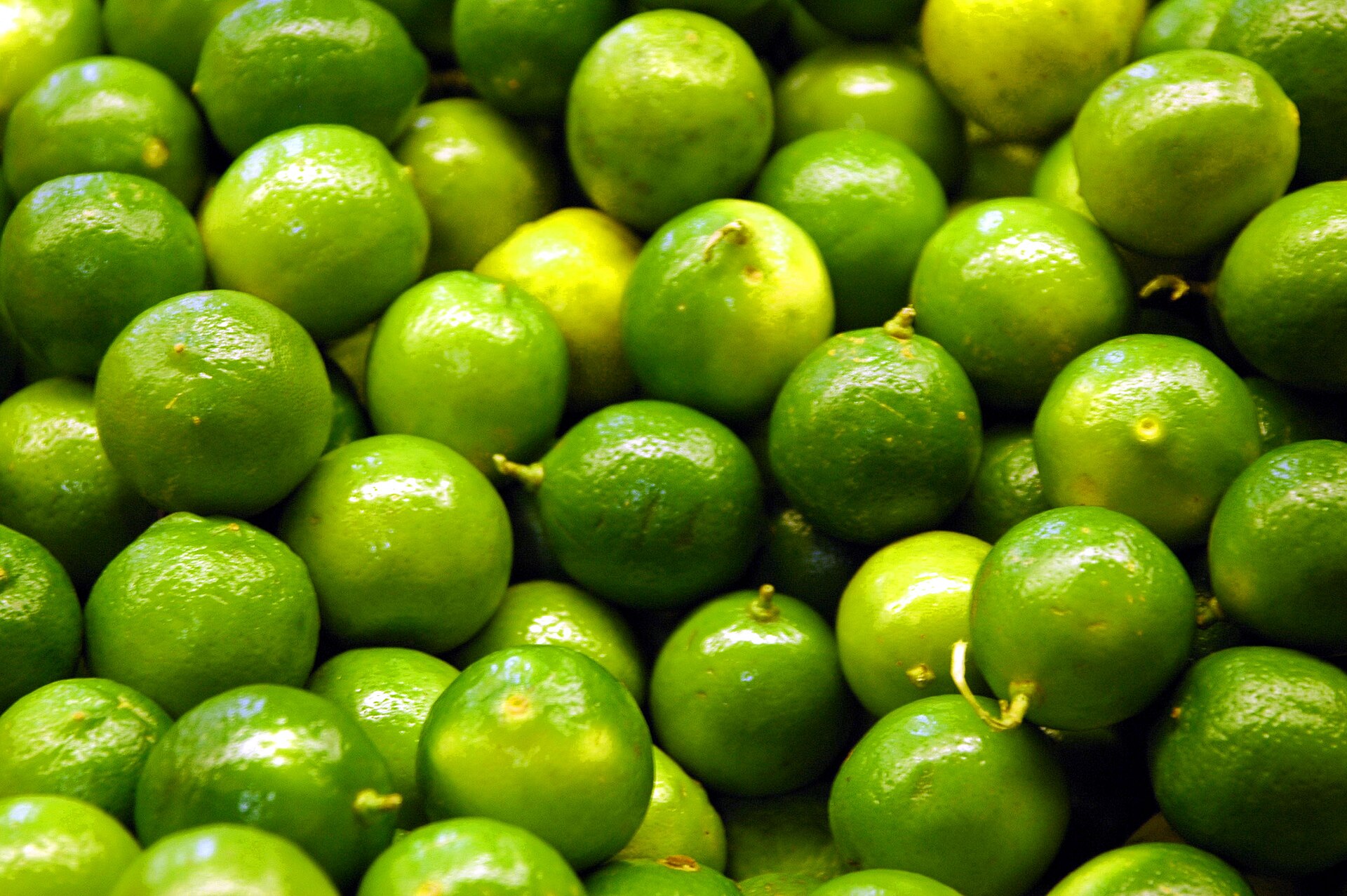
A bearing Persian lime can hold usable fruit through much of the year. Table 1’s June to September line is a commercial-style band, not a ban on winter picking. Freeze still ends the argument.
| Place | What to expect |
|---|---|
| Central Florida yard | Tahiti lime if the site stays warm enough. Key lime is more tender |
| Grocery | Year-round bags, often imported. Usually Persian, not Key |
In the store
A lime in August and a lime in January can both be Persian. Origin is on the sticker. Dooryard fruit is the one you timed against a freeze warning.
Questions
Why are store limes always there?
Imports fill the gap. Florida dooryard fruit does not.
Are bottled lime and Persian the same?
Bottled juice is a processed product. This page is about the fresh fruit.
How to read a month
The grocery lime in this country is almost always a Tahiti, also called Persian. The home-landscape citrus paper files it under acid fruits and says a bearing tree can be picked any time of year. That is not a claim that January fruit tastes like June fruit. It is a claim that the tree does not run a navel-style harvest window.
Persian lime is more cold-tender than a sweet orange. A Central Florida freeze that a Hamlin shrugs off can burn a lime. The store bag does not care. Mexican or Key lime is a different fruit and a different cold problem. Do not treat a bottle of Key lime juice as a calendar for the tree in the yard.
Summer grocery limes are often still Persian, and often not from this county. Read the sticker. A dooryard tree that survived January can hold fruit in odd months. Taste beats color. The paper's any-time line is for a bearing, living tree, not for a freeze-killed stump.